2025年12月13日「モバイル英語学習」第898号(英語のエッセイ):14 Mysterious New Deep-Sea Species Discovered

Notes
mollusk; 軟体動物;
bivalve; 二枚貝;
parasite; 寄生生物;
microscope; 顕微鏡;
species; 種(しゅ);
biodiversity; 生物多様性;

******************************************
Scientists recently discovered 14 new deep-sea species through the Ocean Species Discoveries project. These creatures live in waters deeper than 6,000 meters! Among them are a record-breaking mollusk, a meat-eating clam, and a parasite that looks like popcorn. The project uses high-tech tools like microscopes and 3D scans to describe species more quickly and accurately. This is important because many sea animals may disappear before scientists even know they exist. The new system helps researchers around the world share data and speed up the naming process. One species was even named to honor a woman who supported early science in the 1700s. These discoveries show how teamwork and technology can help us understand and protect life in the mysterious deep sea.

科学者たちは「オーシャン・スピーシーズ・ディスカバリーズ」というプロジェクトで、深さ6,000メートル以上の海から14種類の新しい生物を発見しました。その中には、記録的に深い場所にいた軟体動物、肉を食べる二枚貝、そしてポップコーンのような寄生生物もいます。研究チームは顕微鏡や3Dスキャンなどの最新技術を使い、より速く正確に新種を記録しています。多くの海の生物は、人間の影響で絶滅する前に知られないまま消えてしまうため、この仕組みはとても大切です。さらに、18世紀の科学支援者にちなんで名付けられた種もあります。この研究は、世界中の協力とテクノロジーが深海の生命を理解し守る手助けになることを示しています。
******************************************
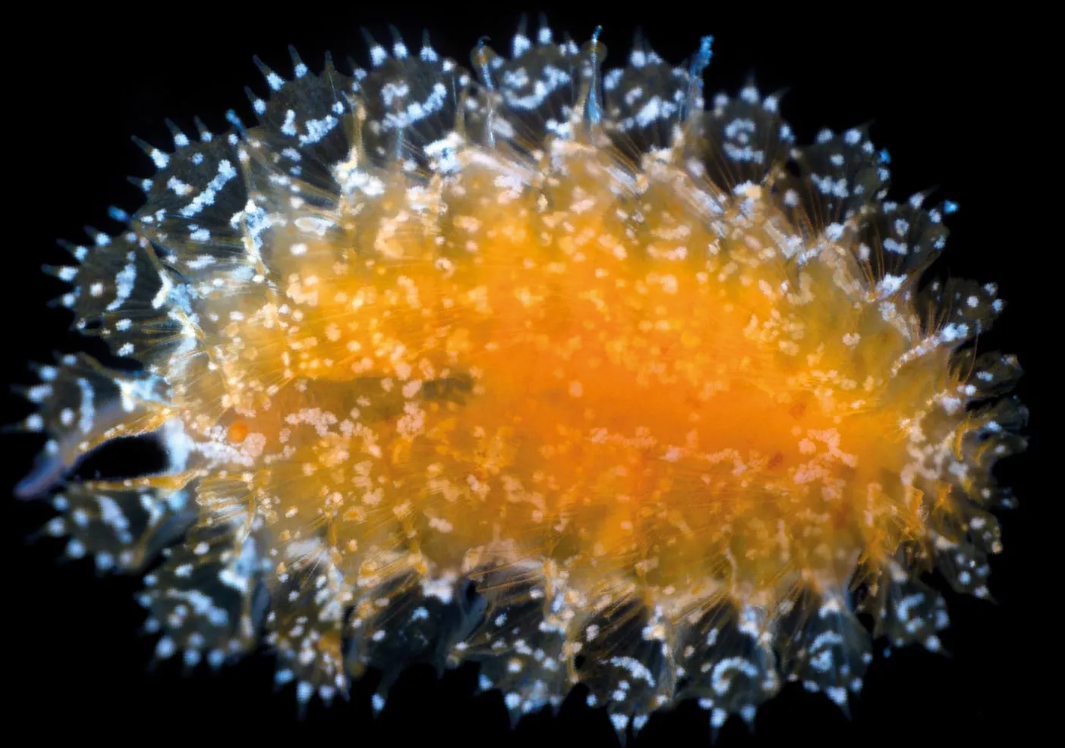
Image from https://www.sciencedaily.com/
2025年12月6日「モバイル英語学習」第897号(英語のエッセイ): WWI soldiers’ bottle messages found after a century

Notes:
voyage 航海;
reinforce 補強する;
heaving 揺れる;
colloquialism 口語表現;
pristine 元のままの;
disintegrated 崩壊した;

**************************
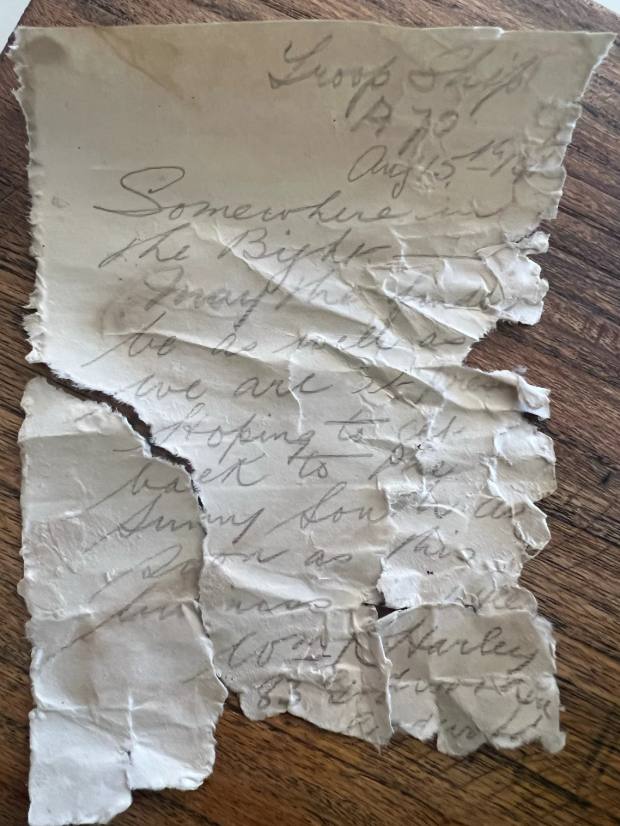
On an Australian beach, a family found a glass bottle buried in the sand. Inside were two letters written by Australian soldiers, Malcolm Neville and William Harley, during World War I in 1916. They wrote the notes while sailing to France. The letters were cheerful — they said the food was good and that they were “as happy as Larry.” Sadly, Neville died in battle a year later, while Harley survived but later died from illness caused by gas during the war. The bottle stayed buried for over 100 years until erosion revealed it. The soldiers’ families were amazed and touched by the discovery, feeling as if their ancestors were reaching out from the past. This find reminded everyone of the human side of history — love, courage, and memory.

オーストラリアの海岸で、ある家族が砂の中に埋もれた小さなガラス瓶を見つけました。
その中には、1916年、第一次世界大戦のさなかにオーストラリア兵マルコム・ネヴィルとウィリアム・ハーレーが書いた二通の手紙が静かに眠っていました。
二人はフランスへ向かう船の上から、食事が美味しいことや「とても幸せだ」と綴り、希望に満ちた言葉を残していました。
けれども、ネヴィルはその翌年に戦場で命を落とし、ハーレーも戦後、ガスの後遺症で亡くなりました。
瓶は100年以上もの間、砂の中で時を止めていたのです。
最近の浸食で姿を現したその瓶を見た兵士たちの家族は、「まるで祖先が時を越えて語りかけてくれているようだ」と深く胸を打たれました。
この発見は、人々に戦争の悲しみ、そして愛と記憶の尊さを静かに伝えています。
**************************

(Image from https://apnews.com/)